How to Find Furniture Dupes: Affordable Alternatives for Every Style
Stop overpaying for designer furniture. Learn how to find affordable dupes and lookalikes using AI photo search, comparison shopping, and smart sourcing strategies.
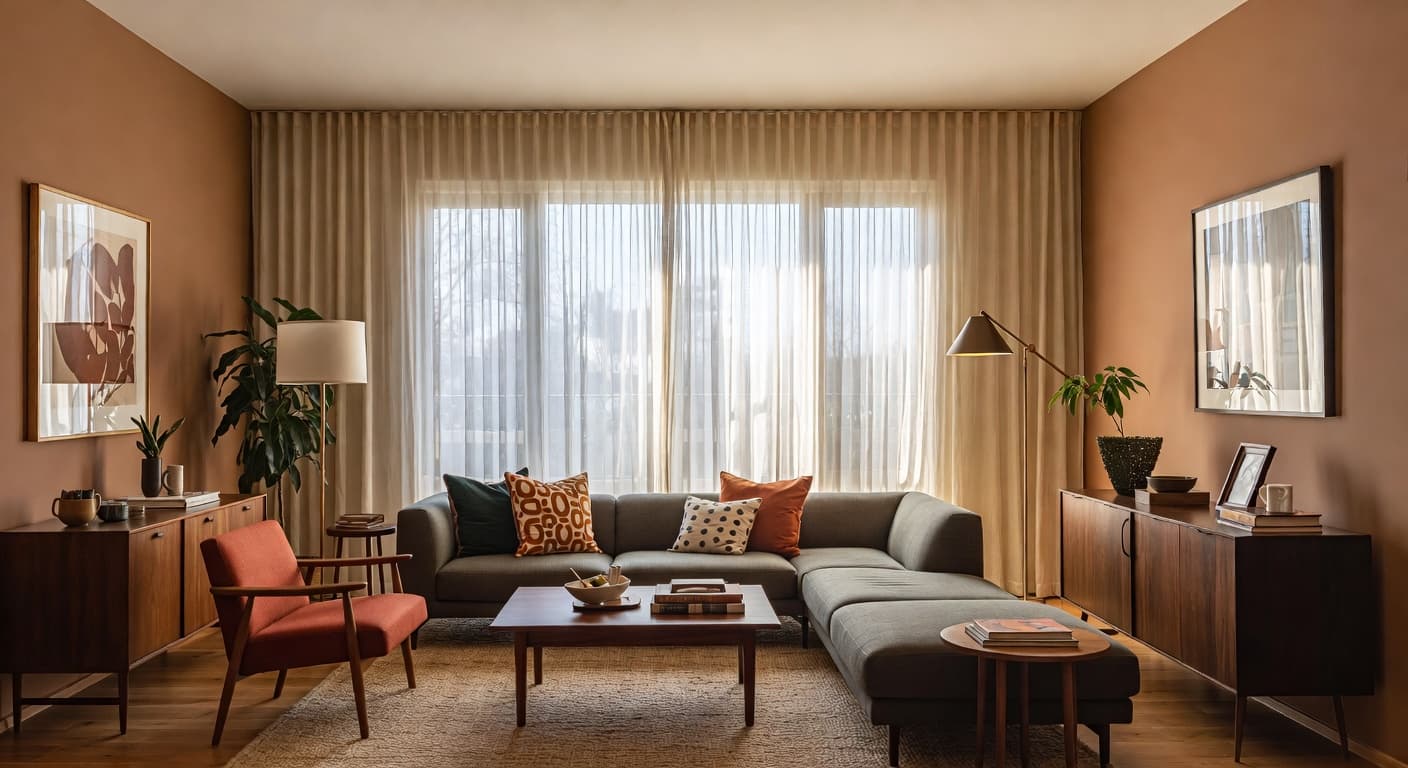
Designer furniture looks incredible and costs accordingly. A single Eames lounge chair runs $7,000+. A Restoration Hardware cloud sofa starts at $5,000. But the visual impact of these pieces — the silhouette, proportions, and style — can often be replicated at a fraction of the cost. Finding those affordable alternatives, or "dupes," is where most people get stuck.
AI-powered furniture finders have made this dramatically easier. Instead of manually searching "Arco lamp dupe" and scrolling through affiliate blog posts, you can upload a photo and get matched alternatives across every budget tier in seconds.
What Are Furniture Dupes?
A furniture dupe is a piece that captures the visual essence of a designer original at a lower price point. It's not a counterfeit — nobody's faking logos or trademarks. It's a legitimately manufactured piece that shares the same design language: similar proportions, comparable materials (or convincing alternatives), and the same overall aesthetic.
The quality spectrum is wide. Some dupes are nearly identical to the original with minor material substitutions — solid oak instead of walnut, chrome instead of brass. Others capture the general vibe but cut corners on construction. Knowing what to look for at each price point is the key to getting good value.
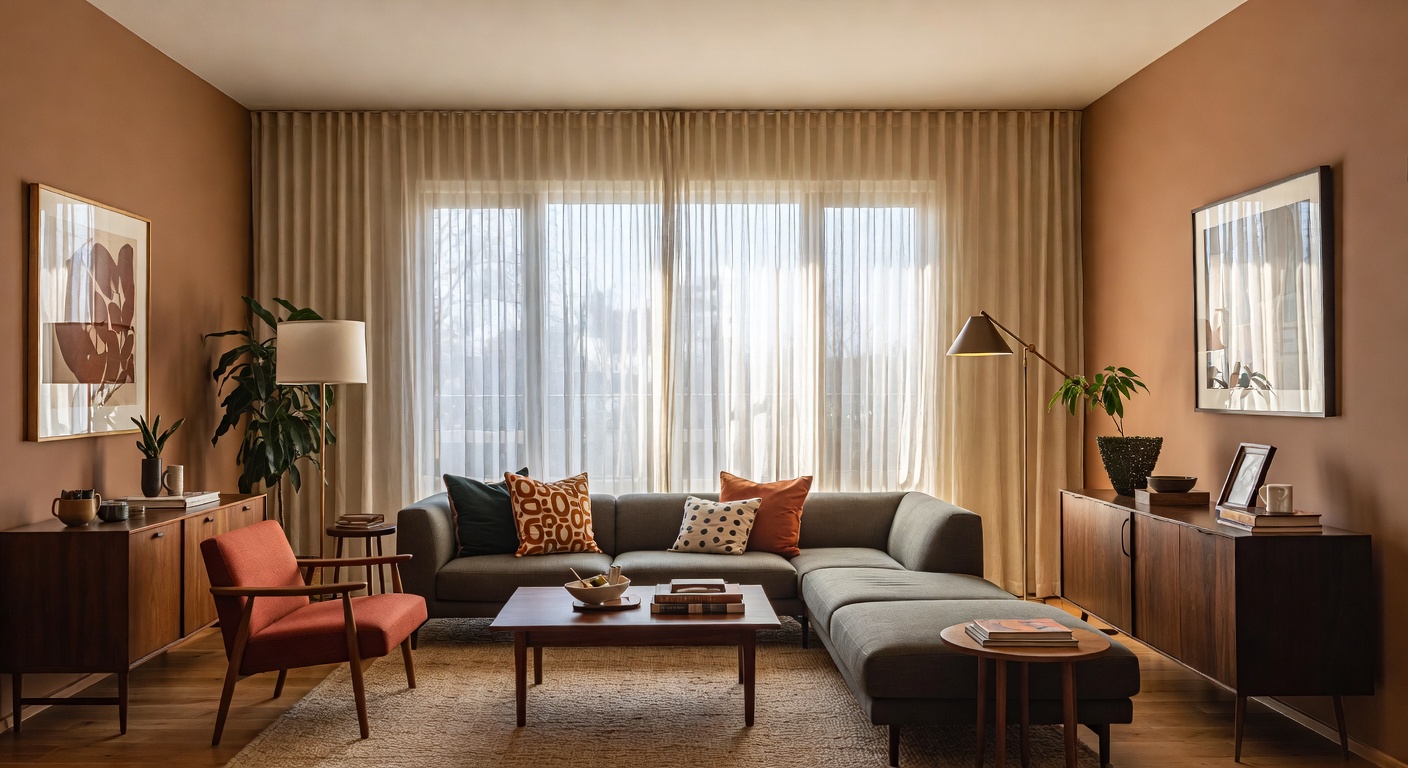
Good dupes preserve three things: silhouette (the overall shape and proportions), material impression (looks like leather even if it's a premium faux), and scale (fits the same space as the original). Cheap knockoffs typically fail on scale — they're slightly smaller or differently proportioned, which throws off the whole room.
The Best Way to Find Furniture Dupes
The fastest method is AI-powered photo matching. Here's why it beats the traditional approach.
Traditional approach: You see a piece you love. You Google its name (if you even know it). You add "dupe" or "alternative" or "lookalike" to the search. You read 5 blog posts, each recommending different products, most with affiliate links to whatever pays the highest commission. You open 15 tabs. An hour later, you've maybe found one decent option.
AI approach: Upload a photo of the piece — or the whole room. The AI identifies the item, analyzes its style, shape, material, and color, then pulls similar products from across retailers at your chosen budget level. The process takes seconds, and you're comparing real products with prices and purchase links, not reading someone's opinion about products they may not have seen in person.
NewInterior AI's Shop This Room feature works for both individual pieces and full room scenes. You can upload a photo of a designer showroom, set your budget to "low" or "medium," and get affordable alternatives for every piece in the image. That's an entire room of dupes in one search.
Popular Furniture Dupes by Category
Some furniture categories have a thriving dupe market. Here's where you'll find the best alternatives.
Sofas and Sectionals
Designer sofas carry some of the highest markups in furniture. The good news: sofa construction is relatively standardized, and many affordable manufacturers produce frames, cushions, and upholstery that rival high-end brands.
What to dupe: Cloud-style sofas (deep, plush, oversized), mid-century modern sofas (clean lines, tapered legs), Chesterfield sofas (tufted, rolled arms). These silhouettes are widely reproduced because they're universally popular.
What to watch: Cushion density and frame construction. Budget sofas often use lower-density foam that compresses within a year. If you're investing in a sofa dupe, prioritize reviews that mention long-term comfort over first-impression softness.
Use the sofa finder to compare options side by side.
Chairs and Seating
Iconic chairs — Eames, Wassily, Barcelona, Egg — are some of the most commonly duped furniture pieces. The designs are distinctive enough that even approximate reproductions read clearly in a room.
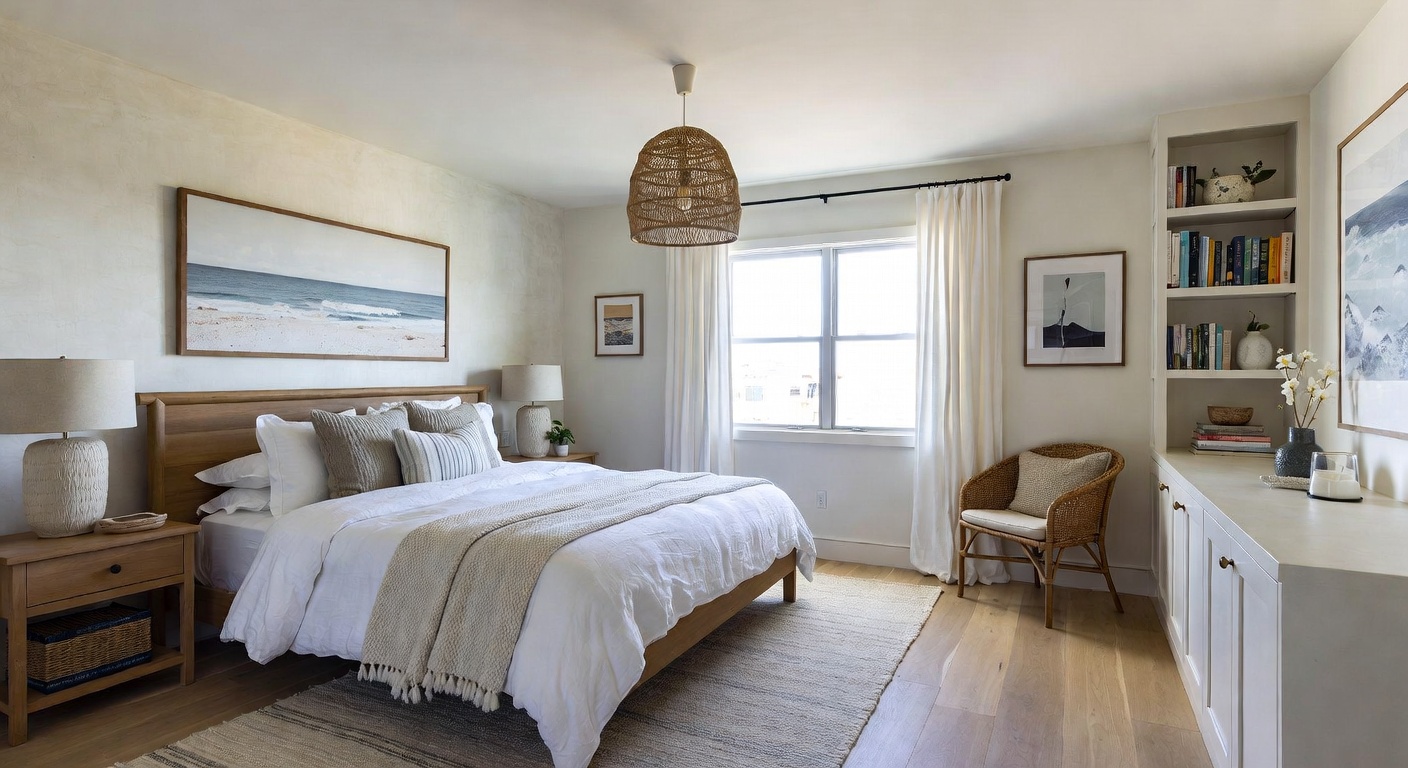
What to dupe: Accent chairs with distinctive silhouettes. The more unique the shape, the easier it is to find a recognizable dupe. Generic upholstered armchairs, on the other hand, are harder to differentiate across price points.
What to watch: Base and leg quality. Budget chair dupes often cut costs on the base — wobbly swivel mechanisms, thin metal legs, plastic feet instead of felt pads. Check the base construction in product photos before buying.
The chair finder helps you match specific chair styles across retailers.
Tables
Coffee tables, dining tables, and side tables are prime dupe territory. Table design is primarily about the top material and base design, both of which are relatively easy to replicate at lower price points.
What to dupe: Marble-top tables (sintered stone and quality quartz look almost identical), live-edge wood tables (many affordable versions use real wood with simulated natural edges), and glass-top tables (glass is glass at every price point — the base is what matters).
What to watch: Weight and stability. Cheap table dupes often use particle board with veneer, which is lighter and less stable than solid wood or metal. If a table seems too light for its size in reviews, it probably is.
Lighting
Designer lighting carries enormous markups — often 10x the manufacturing cost. Lighting dupes offer some of the best value in the entire furniture dupe market.
What to dupe: Sputnik chandeliers, arc floor lamps, globe pendants, linear chandeliers, and any fixture with a distinctive geometric shape. The lighting finder is particularly effective here because lighting silhouettes are so recognizable.
What to watch: Electrical components and dimmer compatibility. Cheap lighting dupes sometimes use lower-quality wiring or incompatible socket types. Verify the bulb type and wattage rating before purchasing.
Budget Tiers: What to Expect at Each Price Point
Understanding what each price tier delivers helps you allocate your budget strategically across a room.
Low budget (under $500 for major pieces) — You get the right look but compromises on materials and longevity. Engineered wood instead of solid, polyester instead of linen, chrome-plated instead of solid brass. These pieces work well in low-traffic rooms, rentals, or spaces you plan to update in a few years.
Medium budget ($500-$2,000 for major pieces) — The sweet spot for most dupes. At this level, you're getting solid construction, quality materials (often the same materials as the designer original, just from a different manufacturer), and pieces that last 5-10 years with normal use. This is where the best value lives.
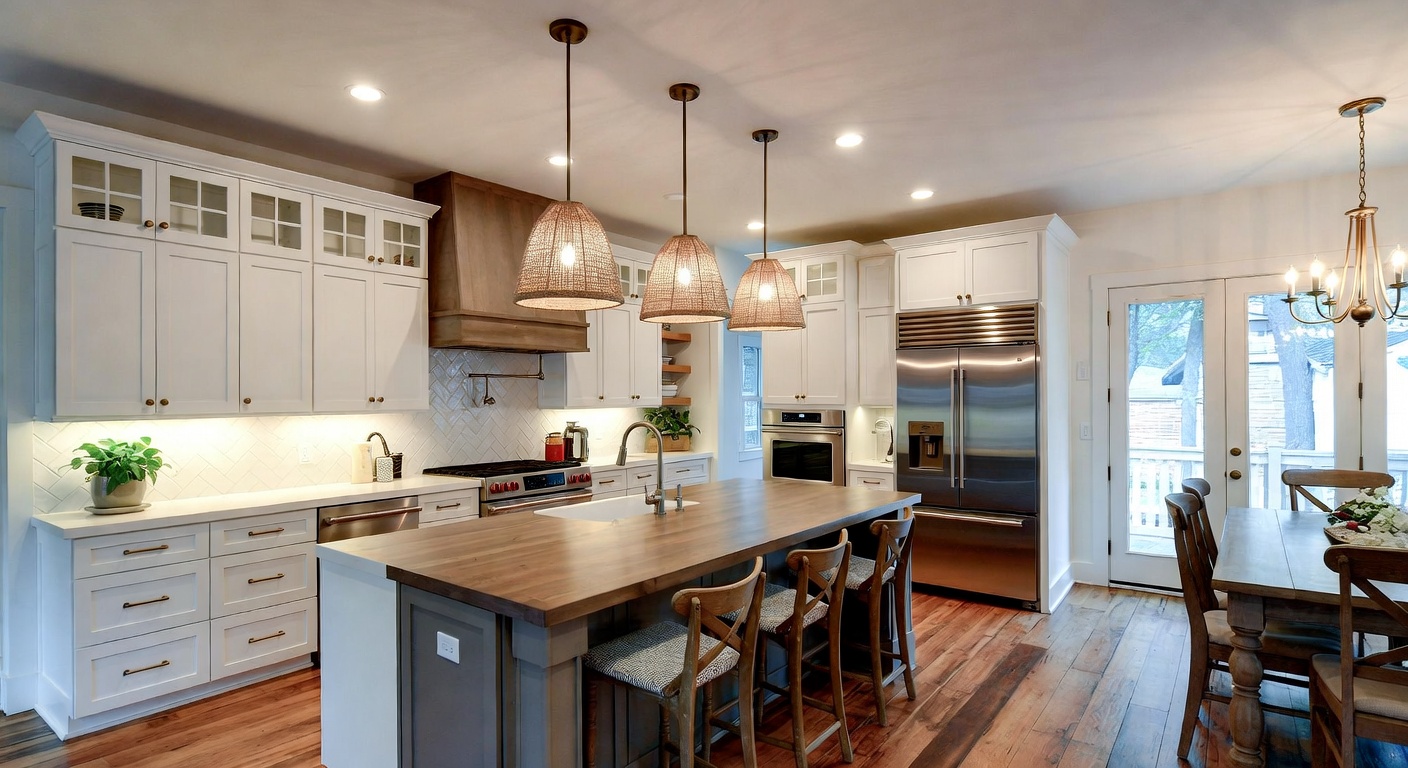
Luxury ($2,000+ for major pieces) — At this tier, you're not really buying dupes anymore — you're buying premium furniture that happens to share a design aesthetic with even more expensive pieces. Quality rivals the originals, and these pieces become long-term investments.
The best strategy: mix tiers within a room. Invest in pieces you touch daily (sofa, dining chairs, bed) and save on pieces that are primarily visual (coffee tables, side tables, decorative lighting).
Where to Find the Best Furniture Alternatives
Different retailers dominate different price tiers. Knowing where to look saves time.
For budget dupes: Large retailers with massive catalogs and aggressive pricing. They move fast on trending designs and produce lookalikes within months of a designer piece gaining popularity.
For mid-range alternatives: Direct-to-consumer furniture brands that skip traditional retail markup. Many of these brands use the same overseas factories as high-end brands but sell at 40-60% lower prices by eliminating showroom and distributor costs.
For near-identical quality: Estate sales, consignment shops, and secondhand luxury platforms. Sometimes the best "dupe" is the actual designer piece, pre-owned. A used Eames chair for $2,500 beats a $500 knockoff every time if your budget allows it.
Rather than searching each retailer individually, the AI furniture finder pulls from multiple sources simultaneously and ranks results by visual similarity and price.
Using AI to Compare Styles and Prices
The most efficient dupe-finding workflow combines AI room design with AI furniture matching.
Start by visualizing the room you want. Upload a photo of your current space to NewInterior AI and apply the style you're after — mid-century modern, Scandinavian, industrial, whatever speaks to you. The AI generates a photorealistic redesign using your actual room.
Now you have a complete design with specific furniture pieces visible in context. Run that AI-generated image through Shop This Room at your target budget level. The system identifies every piece and returns purchasable alternatives.
This approach has a major advantage over browsing by category: you see how pieces work together before you buy anything. That mid-century sideboard might look great in isolation but clash with the rug you already own. The AI design shows you the full picture first.
Tips for Spotting Quality in Affordable Furniture
Not all dupes are created equal. Here's how to evaluate quality when you can't see or touch the piece before buying.
Check the weight. Reputable retailers list shipping weight. Compare it to the original or similar premium pieces. Significantly lighter usually means thinner materials, hollow construction, or particle board where there should be solid wood.
Read negative reviews first. Skip the 5-star reviews — they're often posted immediately after delivery when everything looks perfect. The 2-star and 3-star reviews written 6 months later reveal real durability issues: sagging cushions, loose joints, peeling veneer, color fading.
Look at the hardware. Drawer pulls, hinges, leg attachments, and joint connections are where budget furniture cuts corners most aggressively. Zoom into product photos and look for visible screws, uneven gaps, or plastic components where metal should be.
Verify the return policy. Quality furniture retailers stand behind their products with reasonable return windows (30-60 days minimum). If a retailer makes returns difficult or charges heavy restocking fees, they know a percentage of their products won't meet expectations.
Compare dimensions precisely. Measure the original piece (or find its specs online) and compare to the dupe. Even 2-3 inches of difference in seat height or depth changes how a piece feels and looks in a room. Scale matters more than style when it comes to actual livability.
Final Thoughts
Designer furniture establishes the aesthetic standard, but you don't need designer prices to achieve the same look. The combination of AI-powered furniture matching and budget filtering makes it possible to furnish a room that looks high-end for a fraction of the expected cost.
Focus your budget on pieces you interact with physically — seating, beds, dining surfaces — and find visual dupes for everything else. Use clear, well-lit photos for the best AI matching results, and always verify dimensions and construction quality before buying.
Try NewInterior AI's furniture finder to find affordable alternatives for any piece you love.
Ready to Transform Your Space?
Try NewInterior AI and get professional interior designs in seconds.
Get Started Free