How to Make a Dark Room Look Brighter: AI + Expert Tips
Proven ways to brighten a dark room — from paint colors and mirrors to AI-powered visualization. See what your room could look like before you change a thing.
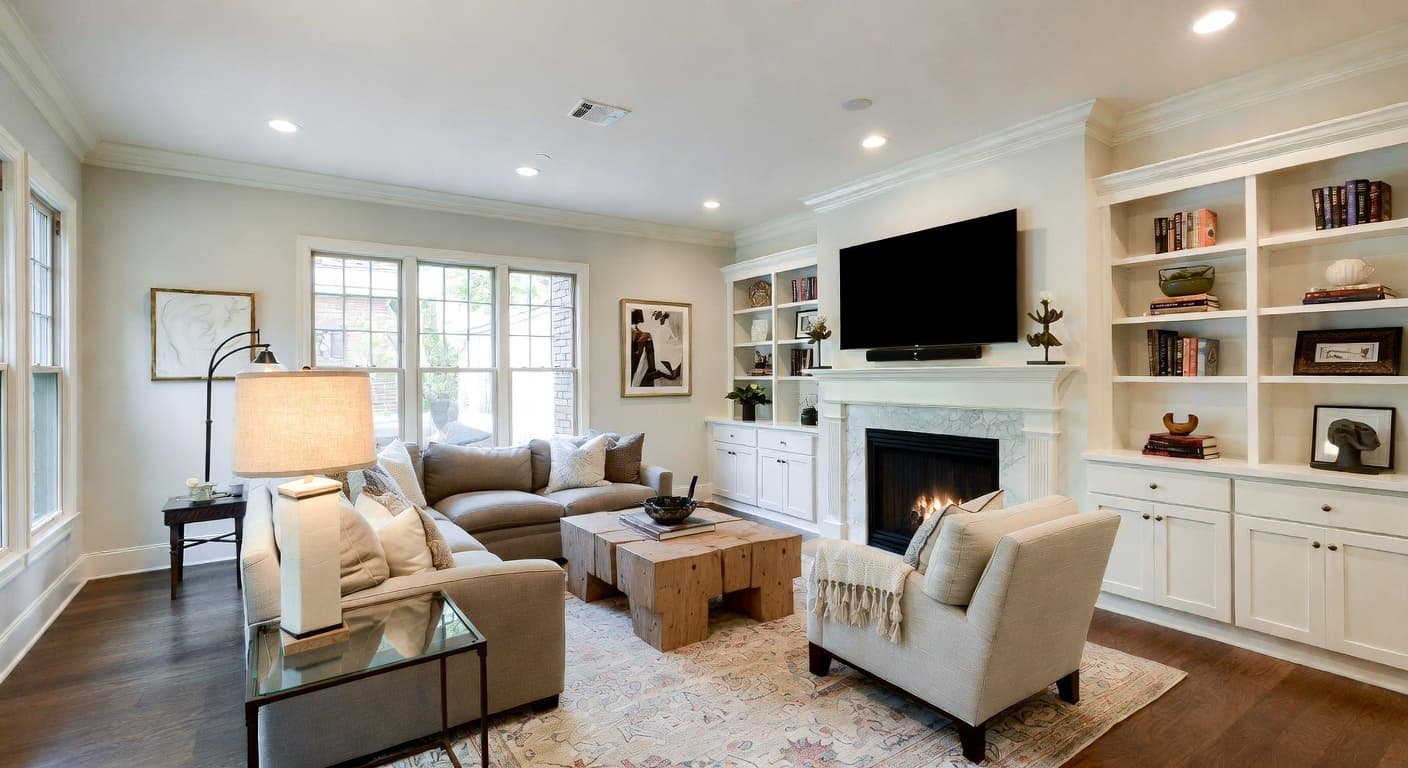
Dark rooms drain energy, shrink spaces, and make even good furniture look dull. The fix is rarely one thing — it is a combination of color, light, reflective surfaces, and strategic furniture placement that transforms a dim room into one that feels open and inviting. The best dark room solutions start with understanding why your room is dark in the first place, then targeting the right changes.
You can now preview every one of these changes before spending a dollar. Upload a photo of your dark room to an AI interior design tool, select a brighter style, and see a photorealistic result in under a minute.
Why Some Rooms Stay Dark (and What Actually Fixes Them)
Rooms are dark for four reasons: small or north-facing windows, dark wall colors, heavy furniture that absorbs light, and insufficient artificial lighting. Most rooms have at least two of these problems working together.
The fix depends on which factors you are dealing with. A room with small windows needs reflective surfaces and strategic lighting. A room with dark paint just needs a color change. A room with bulky, dark-upholstered furniture needs lighter pieces or slipcovers.
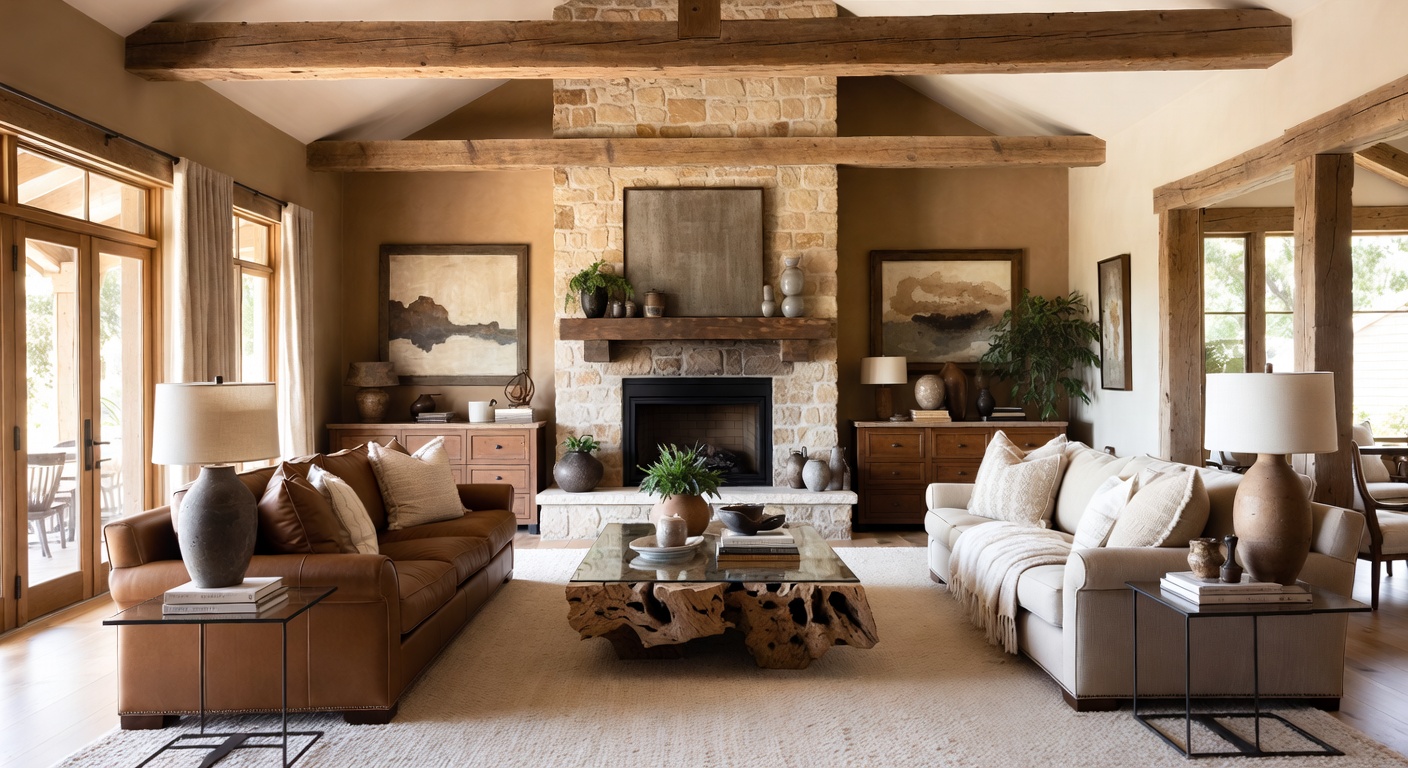
Before making any changes, identify your specific problem. Stand in the doorway of your dark room at midday with the lights off. Where is the natural light coming from? Where are the shadows deepest? This two-minute assessment tells you exactly where to focus.
Choose the Right Paint Colors to Brighten a Dark Room
Paint is the single highest-impact, lowest-cost change you can make. The right wall color can make a room feel 30-40% brighter without adding a single light fixture.
What works:
- Warm whites (not stark white, which can look gray in low light) — Benjamin Moore White Dove, Sherwin-Williams Alabaster
- Soft yellows and creams that mimic natural sunlight
- Light warm grays with yellow or pink undertones rather than blue
- Satin or semi-gloss finishes that reflect more light than flat/matte paint
What does not work: Cool grays, dark accent walls, and flat matte finishes. In a room that already lacks light, cool tones read as dingy and matte finishes absorb the limited light you have.
Paint your ceiling the same color as or slightly lighter than your walls. A white ceiling with colored walls creates a visual "lid" that makes low-light rooms feel like caves.
Use Mirrors and Reflective Surfaces Strategically
A mirror placed directly opposite a window effectively doubles your natural light. This is not a design myth — it is physics. The mirror bounces incoming light back across the room, illuminating walls and corners that direct light never reaches.
Placement rules for maximum effect:
- Opposite windows — the classic technique, and it works every time
- Adjacent to light sources — place a mirror next to a table lamp to amplify its output
- In dark hallways — a series of small mirrors reflects light from adjacent rooms
- Behind candles or lamps — creates a warm glow that fills corners
Beyond mirrors, use glass tabletops, metallic accents, and lacquered furniture to add reflective surfaces throughout the room. A glass coffee table does not block sight lines the way a solid wood one does, and it bounces light off its surface.
Styles like Scandinavian design and coastal interiors lean heavily on reflective and light-toned materials — that is a big reason they feel so airy.
Layer Your Lighting for Dark Room Design
A single overhead fixture is the worst possible lighting for a dark room. It creates a bright center and dark edges, making the room feel smaller. The solution is layered lighting — combining three types of light at different heights throughout the room.
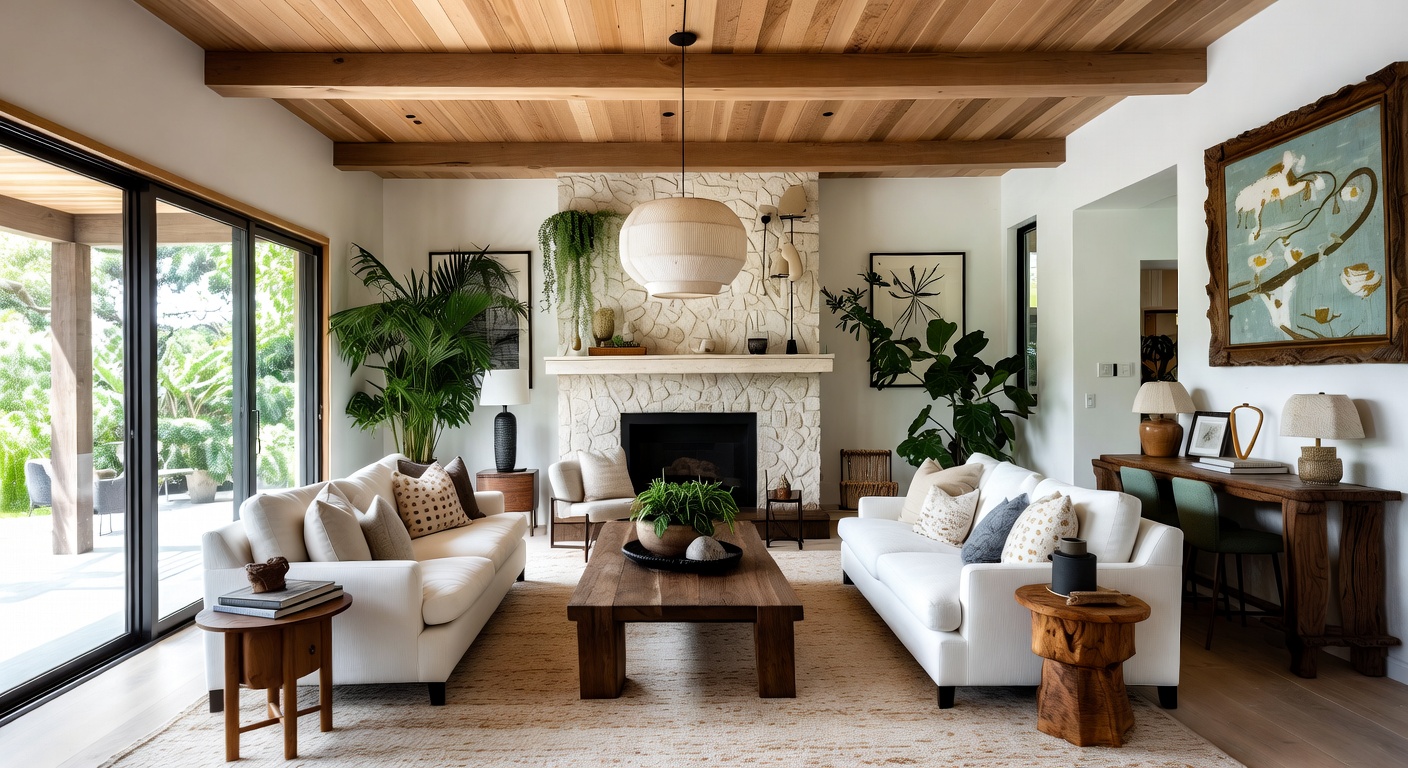
Ambient lighting provides overall illumination. Swap a single pendant for recessed fixtures, or add cove lighting that washes walls with indirect light. Wall-washed surfaces reflect light back into the room far more effectively than a downward-facing fixture.
Task lighting — desk lamps, reading lights, under-cabinet strips — brightens specific work areas without requiring the whole room to be lit up.
Accent lighting uses directional spots or LED strips to highlight architectural features, art, or textured walls. It draws the eye and creates depth, which makes a room feel larger even if total light output is modest.
A practical formula: For a 12x12 room, aim for at least five light sources — one ambient, two task, two accent. Spread them at different heights (floor, table, ceiling).
Pick Furniture and Textiles That Reflect Light
Dark, bulky furniture absorbs light. A room with a black leather sofa, dark wood coffee table, and heavy velvet curtains can lose up to 40% of its available light to absorption.
Swap these to brighten your room:
- Heavy drapes for sheer or light linen curtains — or remove curtains entirely if privacy is not an issue
- Dark upholstery for light-colored slipcovers or throws
- Solid wood tables for glass, acrylic, or light-finish wood
- Floor-to-ceiling bookshelves packed with dark spines for open shelving with white-backed compartments
You do not need to replace everything. Start with the largest surface areas — sofa covers, curtains, and rugs. A light-colored area rug on dark flooring can transform a room because floors are one of the biggest surfaces in any space.
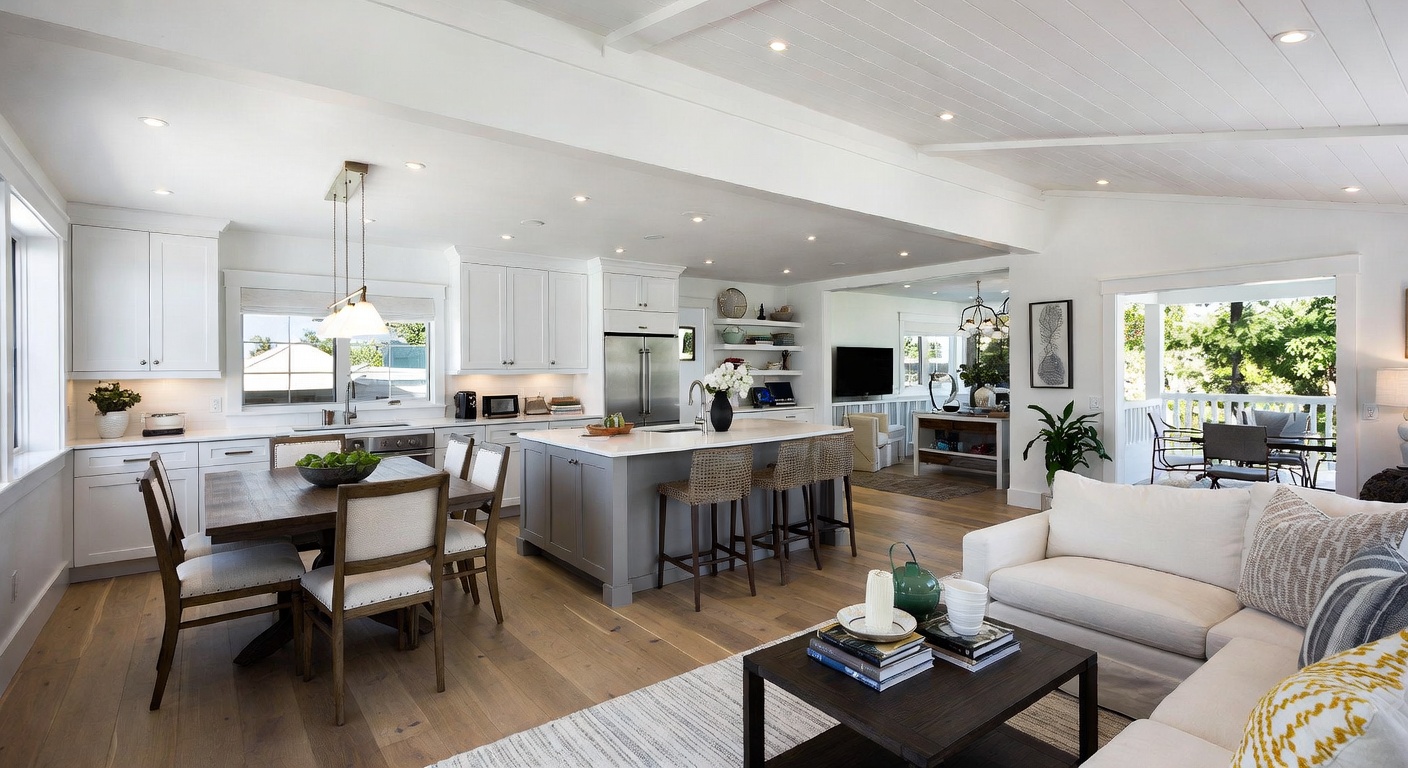
Rethink Your Room Layout
Furniture placement affects brightness more than most people realize. A tall bookcase next to a window blocks light before it enters the room. A sofa facing away from the window creates a dark shadow on the seating area.
Layout principles for dark rooms:
- Keep window areas clear. Move tall furniture to walls perpendicular to windows, never parallel.
- Pull furniture away from walls by 2-3 inches. This lets light flow behind pieces and reduces heavy shadows.
- Use low-profile furniture near windows. A low console lets light pass over it; a tall dresser blocks it.
- Create sight lines from the door to the window. An unobstructed path for light (and the eye) makes the entire room feel brighter.
These layout changes cost nothing but can dramatically change how light moves through a space. Rooms that feel bigger almost always feel brighter, because the same techniques — open sight lines, low furniture, light colors — serve both goals.
Use AI to Preview Your Dark Room Transformation
Traditional advice says "try a lighter paint color" — but which one? And will it actually fix the problem, or will you end up with a light-colored room that still feels dark because the real issue was furniture placement?
This is where AI visualization changes the process. Upload a photo of your dark room to our dark room solutions tool, and the AI generates a photorealistic redesign showing how your specific room looks with different styles, colors, and layouts.
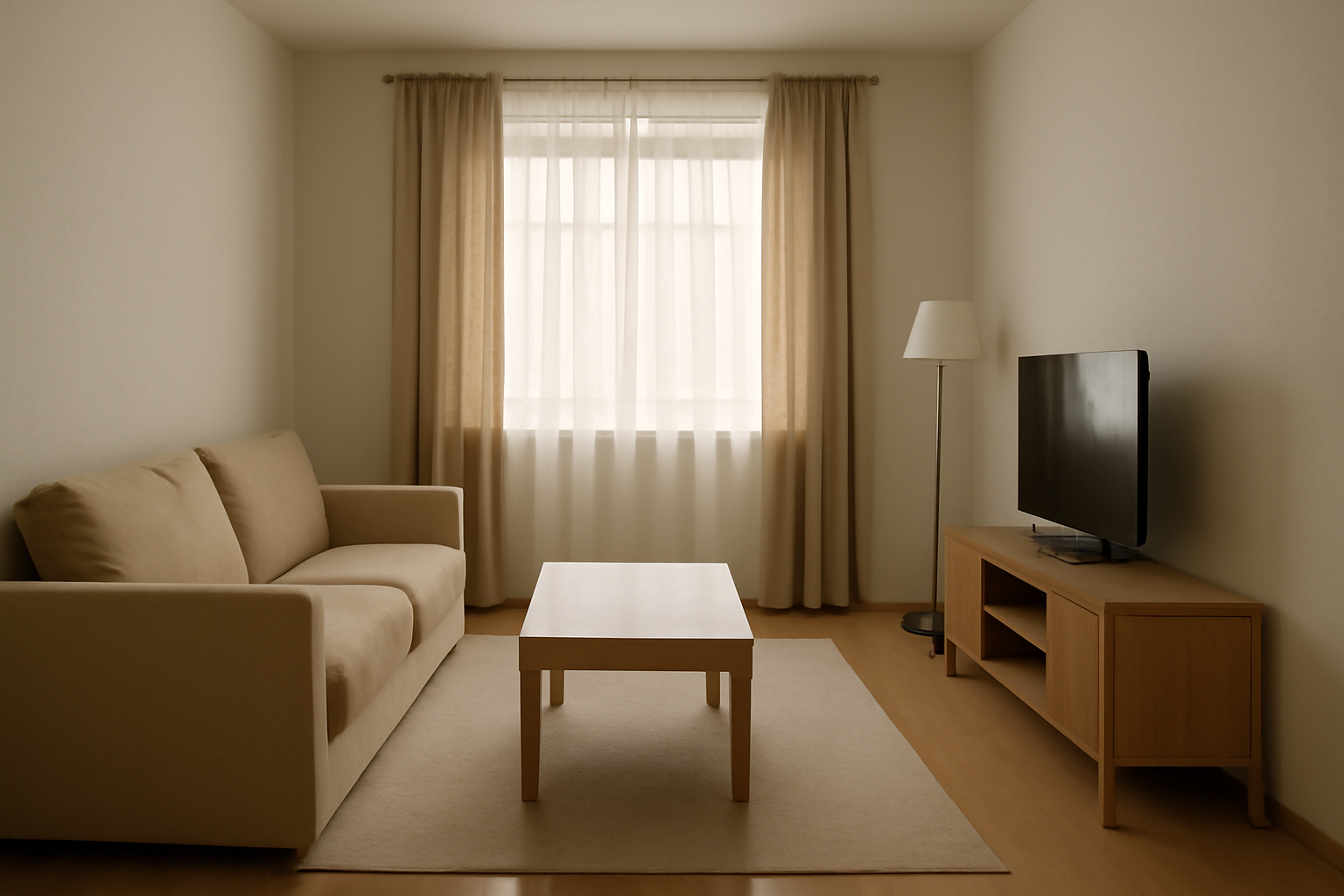
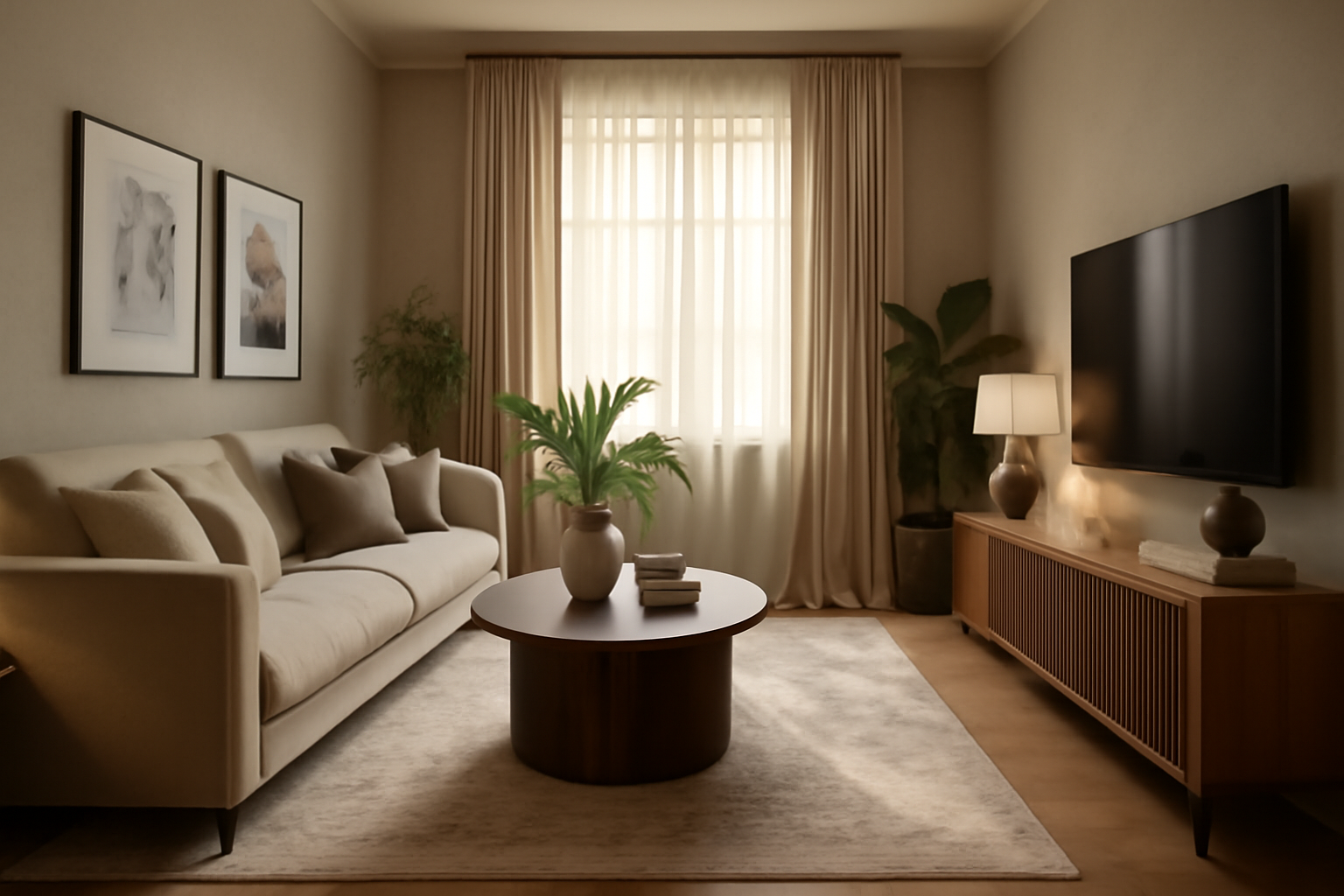
You can test multiple approaches in minutes. Try a Scandinavian palette to see if white walls and light wood fix the problem. Try a warm minimalism look to see if reducing furniture density opens up the space. Try a coastal scheme to see how blue-and-white tones interact with your specific lighting conditions.
The AI preserves your room's architecture — walls, windows, ceiling height — and shows you realistic results that account for how light actually behaves in your space. See more examples of these transformations on our room transformations page.
Quick Wins You Can Do This Weekend
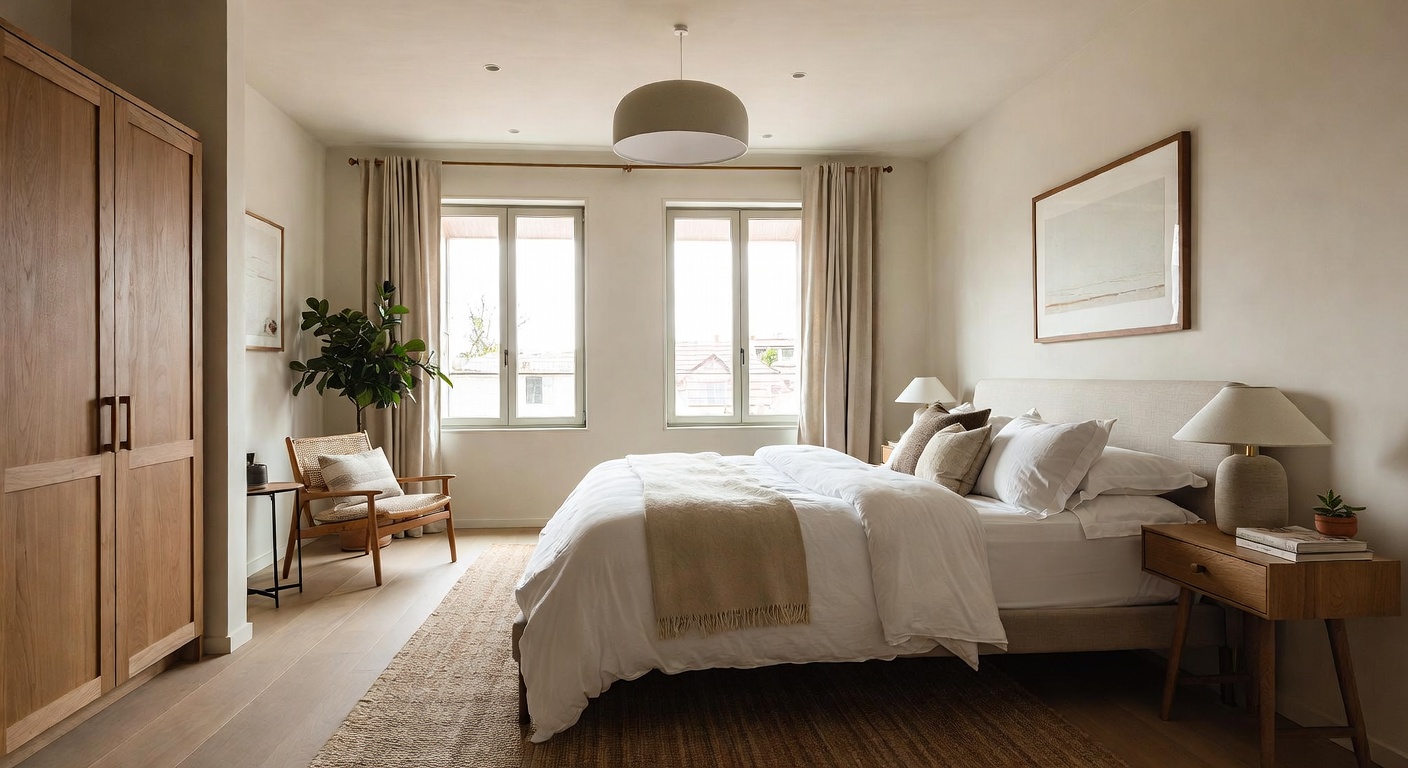
Not every dark room fix requires renovation. These changes take less than a day and cost under $200 total:
- Clean your windows — sounds obvious, but dirty glass can block 20-30% of incoming light
- Swap bulbs to 5000K daylight LEDs — warmer bulbs (2700K) cast yellow light that reads as dim
- Add one large mirror opposite your primary light source
- Replace dark throw pillows and blankets with cream, ivory, or light gray alternatives
- Trim exterior vegetation blocking windows — overgrown bushes are a top cause of dark rooms that people overlook
- Switch from heavy curtains to sheer panels — maintains privacy while tripling light transmission
These small changes stack. Individually each one makes a modest difference. Combined, they can transform a gloomy room into a comfortable, well-lit space.
Frequently Asked Questions
What color makes a dark room look brighter?
Warm whites and soft creams work best in dark rooms. Avoid stark cool whites, which look gray without strong natural light. Choose paint with satin or semi-gloss finish to reflect more light. Benjamin Moore White Dove and Sherwin-Williams Alabaster are reliable choices for low-light spaces.
Do mirrors actually help brighten a dark room?
Yes — a mirror placed opposite a window reflects natural light back into the room, effectively doubling the light coverage. For maximum effect, use a mirror at least 24 inches wide and position it directly across from your largest window. Smaller mirrors near lamps and candles amplify artificial light too.
How can I brighten a room without natural light?
Focus on artificial layered lighting: combine ceiling fixtures with wall sconces, table lamps, and LED strip lights. Use 5000K daylight-temperature bulbs to simulate natural light. Paint walls a warm white with satin finish, add mirrors and glass surfaces, and choose light-colored furniture and textiles that reflect rather than absorb light.
Can AI help me design a brighter room?
AI interior design tools let you upload a photo of your dark room and generate a photorealistic redesign with brighter styles and palettes. You can test multiple approaches — different paint colors, furniture layouts, lighting schemes — before making any purchases or changes. NewInterior AI lets you preview unlimited styles in under a minute.
What lighting is best for a room with no windows?
Use a combination of recessed ceiling lights for ambient illumination, wall sconces or cove lighting to wash walls with indirect light, and table or floor lamps at varying heights. Choose daylight-temperature bulbs (5000K) and aim for at least five light sources spread across the room. Avoid relying on a single central fixture.
Start Brightening Your Room Today
A dark room is not a permanent problem — it is a combination of fixable factors. The most effective approach targets paint, lighting, reflective surfaces, and furniture simultaneously rather than relying on any single change.
Upload a photo of your dark room and see what it could look like with a brighter design. Try NewInterior AI — the AI shows you the transformation before you spend a thing.
Ready to Transform Your Space?
Try NewInterior AI and get professional interior designs in seconds.
Get Started Free